
Gynaecology Department
Ovarian Cyst Treatment in Kolkata – Thorough & Empathetic Women's Care at UMA Medical Related Institute
UMA Medical Related Institute considers that women should receive sophisticated,
precise, and sympathetic treatment for every reproductive health problem. Among the most frequent
gynecological problems that worry women are ovarian cysts — fluid-filled pouches that may form on or inside
the ovaries.
While many ovarian cysts are harmless and resolve on their own, some can lead to pain, irregular periods, or
fertility complications if left untreated. As a leading centre for Ovarian Cyst Treatment in Kolkata, UMA
Medical Related Institute offers state-of-the-art diagnosis, expert surgical and medical management, and
personalized aftercare under the guidance of our highly experienced gynecologists.
We are committed to providing safe, effective, and patient-focussed care to assist women in achieving hormonal
balance, fertility, and confidence.


Understanding Ovarian Cysts
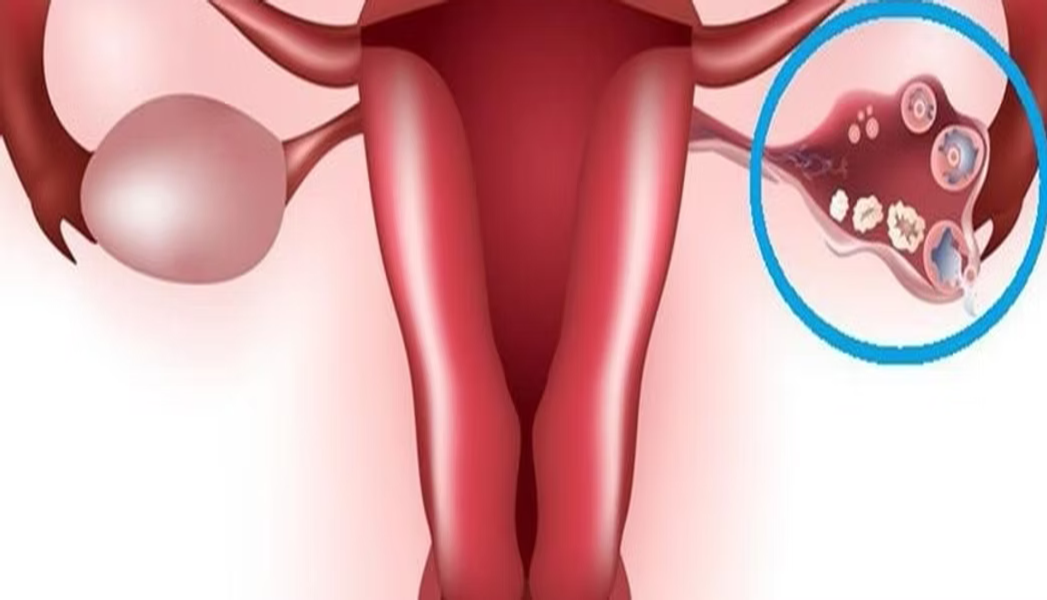
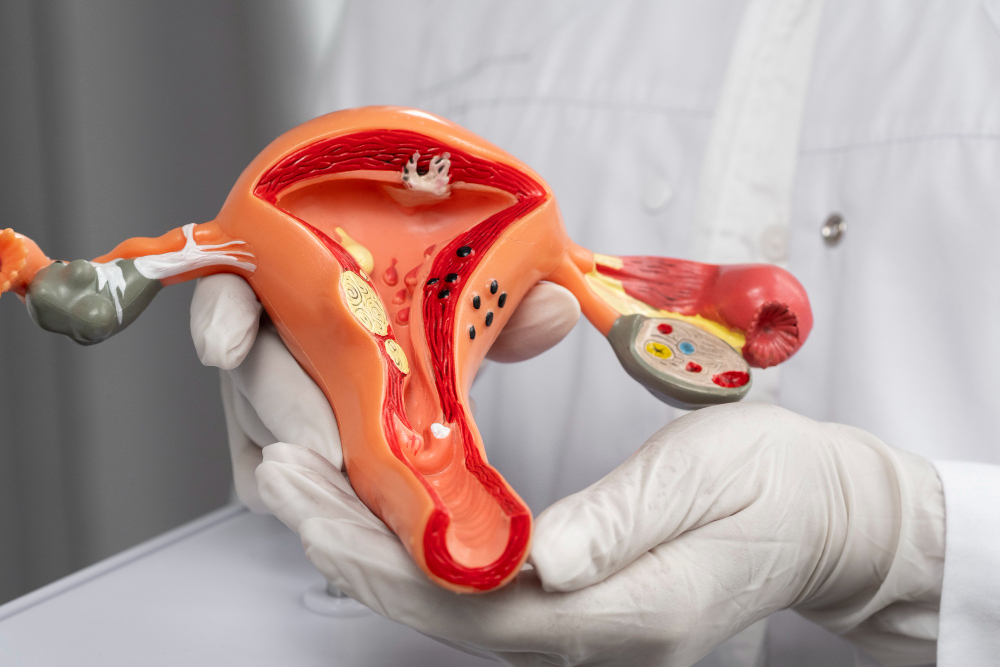
An ovarian cyst is a tiny fluid-filled pouch that occurs on or within an ovary.
Ovaries are essential reproductive organs that release eggs and hormones such as estrogen and
progesterone. At times, during the menstrual cycle, the follicles (tiny pouches containing eggs) do not
function normally and develop into cysts.
The majority of cysts are benign (non-malignant) and do not present with any symptoms. Other cysts can
grow large, be painful, or even life-threatening if they rupture, twist, or become abnormally large.

Ovarian Cyst Types
At UMA Medical Related Institute, our experts diagnose and treat different types
of ovarian cysts with accuracy and compassion.
1. Functional Cysts –
These are most frequently and naturally occurring during ovulation.
Follicular Cyst: If the follicle is unable to release an egg.
Corpus Luteum Cyst: When a follicle closes after expelling an egg and is filled with fluid.
2. Pathological Cysts –
These form because of abnormal cell growth and can be treated medically or surgically.
Dermoid Cysts: Include tissue such as hair or fat.
Endometriomas: Due to endometriosis (tissue of uterine lining growing outside the uterus).
Cystadenomas: Form from ovarian tissue and are able to get quite large.
3. Polycystic Ovaries (PCOS):
Several small cysts due to hormonal imbalance — a component of Polycystic Ovary Syndrome.
Each category needs a unique diagnostic and treatment method, and our team adapts accordingly based on
your reproductive goals, symptoms, and age.
Causes of Ovarian Cysts
Ovarian cysts can occur due to several reasons, including:
. Hormonal imbalances
. Endometriosis
. Pregnancy-related cysts
. Severe pelvic infections
. Previous ovarian surgeries
. Hypothyroidism or other endocrine disorders
Learning the underlying cause enables our experts to create a custom treatment plan to avoid recurrence and
treat symptoms effectively.
Symptoms of Ovarian Cysts
Whereas most cysts are symptomless, some warning signals could point to an ovarian
cyst.
Some typical symptoms are:
. Lower abdominal or pelvic ache (mild or severe)
. Abdominal bloating or fullness
. Painful intercourse
. Irregular or painful menstrual periods
. Trouble in emptying the bladder or frequent urination
. Inexplicable weight gain
. Nausea or vomiting (particularly if a cyst ruptures or twists)
In advanced stages, acute and severe abdominal pain coupled with fever or dizziness could be a sign of a
ruptured or twisted cyst — an emergency condition that demands prompt attention.
Diagnosis of Ovarian Cysts at UMA Medical Related Institute
Precise diagnosis is the key to successful treatment. At UMA Medical Related Institute,
our Gynaecology Department employs state-of-the-art diagnostic equipment to assess the size, nature, and type
of ovarian cysts.
Our Diagnostic Process Includes:
1. Pelvic Examination:
A physical examination to identify uterine or ovarian abnormalities.
2. Ultrasound Scan (Transvaginal or Abdominal):
The most frequent imaging method to view cyst size, location, and shape.
3. Blood Tests:
a. CA-125 test: To screen for possible ovarian cancer in postmenopausal women or those with complicated
cysts.
b. Hormonal tests: To measure estrogen, progesterone, and other hormone levels.
4. CT Scan or MRI:
For precise imaging in complex cases.
5. Pregnancy Test:
To exclude pregnancy-related cysts or complications.
Our expert multidisciplinary team provides early diagnosis and counselling to inform patients about their
illness and treatment.
Treatment Options for Ovarian Cysts in Kolkata
At UMA Medical Related Institute, we provide the best treatment for ovarian cysts based
on the type, size, and symptom.
Whenever possible, our aim is always to maintain ovarian health and fertility.
1. Watchful Waiting (Observation)
For small, functioning cysts that are not symptomatic, your physician can suggest "watchful waiting."
. Follow-up ultrasounds and exams are planned at regular intervals.
. Most cysts disappear on their own within 1–3 menstrual cycles.
This is the preferred treatment for young women with normal hormone levels and no evidence of
malignancy.
2. Medication Management
If hormonal imbalance or PCOS is the underlying cause, medications can be used to correct ovulation and
minimize cyst formation.
. Oral contraceptive pills: To inhibit ovulation and avoid new cysts.
. Painkillers: For pain relief.
. Hormonal therapy: To normalize hormones in chronic conditions.
Our experts carefully design medication regimens according to your health history and reproductive
needs.
3. Surgical Treatment of Ovarian Cysts
Surgery is indicated when:
. The cyst is enormous (>5–7 cm).
. The cyst is persistent or complex.
. Rupture or torsion risk exists.
. The cyst is thought to be cancerous.
We have expertise in minimally invasive surgical treatment for ovarian cysts, with faster recovery and less
scarring.
a. Laparoscopic Ovarian Cystectomy
. Keyhole surgery with minimal invasion.
. Removal of the cyst while leaving behind healthy ovarian tissue.
. Limited hospital stay (usually same-day discharge).
. Rapid recovery (within 1–2 weeks).
This is the surgery of choice for the majority of benign ovarian cysts.
b. Laparotomy (Open Surgery)
. Preferred in very large cysts or suspected malignancy.
. A single larger incision in the abdomen for safe extraction.
. Hospital stay and postoperative follow-up is marginally longer.
Our experts employ advanced methods to reduce blood loss and maintain fertility whenever it is
possible.
c. Oophorectomy or Salpingo-Oophorectomy
In some complicated or cancerous situations, one or both ovaries and fallopian tubes may need to be
removed.
This is carried out only after thorough evaluation and counselling so that patients make well-informed
decisions.
Post-Treatment Care and Recovery
Following ovarian cyst surgery or treatment, proper post-care guarantees complete
recovery and prevents recurrence.
Our aftercare consists of:
. Pain relief and antibiotics (if prescribed)
. Routine follow-up ultrasound scans
. Monitoring of hormone levels
. Lifestyle advice and diet guidance
. Fertility counselling for women who wish to become pregnant
Most patients can return to their daily routine within 1–2 weeks following laparoscopic surgery and
within 4–6 weeks following open surgery.
Possible Complications of Untreated Ovarian Cysts
If ovarian cysts are ignored, they may result in dangerous complications,
including:
. Ovarian torsion: Rotating of the ovary, interrupting blood supply.
. Cyst rupture: Resulting in internal hemorrhage and excruciating pain.
. Infertility: Owing to impairment of ovarian tissue.
. Cancer (rare): Some cysts can become cancerous.
Early diagnosis and professional treatment are, therefore, the key — and UMA Medical Related Institute
is well qualified to treat all these situations.
Emotional and Fertility Support
Ovarian cysts can be a source of stress, particularly for women worried about
fertility.
At UMA Medical Related Institute, we offer emotional counseling and fertility preservation advice to assist
women in coping with both the physical and emotional issues of the diagnosis.
Our fertility specialists and gynecologists collaborate to make sure that your reproductive health is
preserved and your treatment plan is tailored.

Why Choose UMA Medical Related Institute for Ovarian Cyst Treatment in Kolkata
One of Kolkata's most reliable names in women's care, UMA Medical Related
Institute differs with its technology, expertise, and humane touch.
Our Strengths:
Expert Gynaecologists & Surgeons: Specialists in advanced laparoscopic and open ovarian
surgery.
State-of-the-art Diagnostic Facilities: High-resolution ultrasound, MRI, and lab
testing under one umbrella.
Minimally Invasive Surgical Methods: Causing less pain and faster recovery.
Extensive Women's Health Support: From diagnosis to fertility and emotional
support.
Higher Safety and Sanitation Standards: Worldwide-quality surgical safety and
confidentiality of patients.
Affordable, Ethical Treatment: Clear pricing and empathetic care.
No matter if it's a minor cyst or a complicated condition, our team of specialists provides the finest
results with the least discomfort and downtime.
Frequently Asked Questions (FAQs)
1. Are ovarian cysts common?
A: Yes, ovarian cysts are very common, particularly in women of reproductive age. They are usually
benign and will go away on their own.
2. Do ovarian cysts cause infertility?
A: Most cysts do not impair fertility. Endometriomas or PCOS, however, can lead to infertility if
not treated.
3. Do ovarian cysts always require surgery?
A: No. Most cysts resolve by themselves. Surgery is indicated only when they are big, persistent,
or causing symptoms.
4. How long does it take to recover after surgery to remove the cyst?
A: Laparoscopic surgery will take 1–2 weeks for recovery, while open surgery could take a maximum
of 6 weeks.
5. Can ovarian cysts recur after treatment?
A: Yes, new cysts may develop over a period of time, particularly if hormonal imbalance continues.
Early detection is facilitated by regular follow-up.

Call UMA Medical Related Institute – Reliable Centre for Ovarian Cyst Treatment in Kolkata
Ovarian cysts occur frequently, but with proper medical attention, they are
extremely curable. At UMA Medical Related Institute, we mesh professional expertise, latest technology,
and caring service to provide the finest Ovarian Cyst Treatment in Kolkata.
We have a team of top gynecologists who are committed to providing each woman with individualized care,
successful treatment, and complete recovery — enabling her to resume living a healthy, confident, and
worry-free life.
If you have pelvic pain, bloating, or irregular periods, do not overlook the symptoms. Early diagnosis
and professional care can safeguard your reproductive health and avoid complications.
At UMA Medical Related Institute, we offer advanced, complete management, and sympathetic ovarian cyst
treatment in Kolkata, aiding women to regain comfort, well-being, and confidence.